When should you do Home Renovations?
Let’s be honest: buying a home in 2026 or 2027 means you’ll probably find a place that checks most of your boxes, but it may not look the way you want or may need some work. Renovations are part of homeownership, and timing matters. So let’s break down the different approaches and when each one makes sense.
Options on when to do home renovation project.
- Should you do it all before you move in?
- Should you wait , Save up and then do them all at once?
- One project at a every year till finished?
- Wait till your sell to do all renovations?
- Only fix what breaks?
There’s no one-size-fits-all answer. The “right time” depends on your finances, your lifestyle, and how you plan to use the home. While the dream is to have everything perfect before move‑in, most people simply can’t afford that. Many homeowners tackle upgrades slowly, one or two projects a year, as time and budget allow.
Below are the main renovation strategies — and the pros and cons of each.
Do Everything Before You Move In
If you have the money and the luxury of time, completing all renovations before moving in is ideal. You avoid living in a construction zone and get to enjoy your home exactly how you want it from day one.
This approach works best for:
- Buyers who already have a place to live while the new home is being renovated
- Small-time investors or buyers who purchased a fixer with the intention of flipping it into their dream home
- People who can afford to carry two homes at once
One upgrade worth doing before move‑in: flooring.
If the home needs new floors, get them done before you bring in furniture. You’ll thank yourself later — I learned this the hard way.
Save Up and Do All Renovations at Once
This approach gives you time to plan, budget, and make thoughtful decisions. When the money is ready, you tackle everything in one big push.
This works well for:
- Homeowners expecting a financial windfall (bonus, inheritance, equity release)
- People who want a dramatic transformation and a “new home” feel
- Those who prefer to get the mess over with all at once
The downside? You’ll be living in a construction zone until the work is finished. But once it’s done, you can relax knowing everything is updated.
One or Two Projects Per Year
This is the most realistic path for most homeowners. You save, complete a project, then regroup before starting the next one. It’s budget-friendly, less overwhelming, and gives you time to learn what you truly want.
Benefits include:
- No long-term construction chaos
- Easier financial planning
- Time to refine your style and priorities
- Flexibility for DIY projects and “sweat equity”
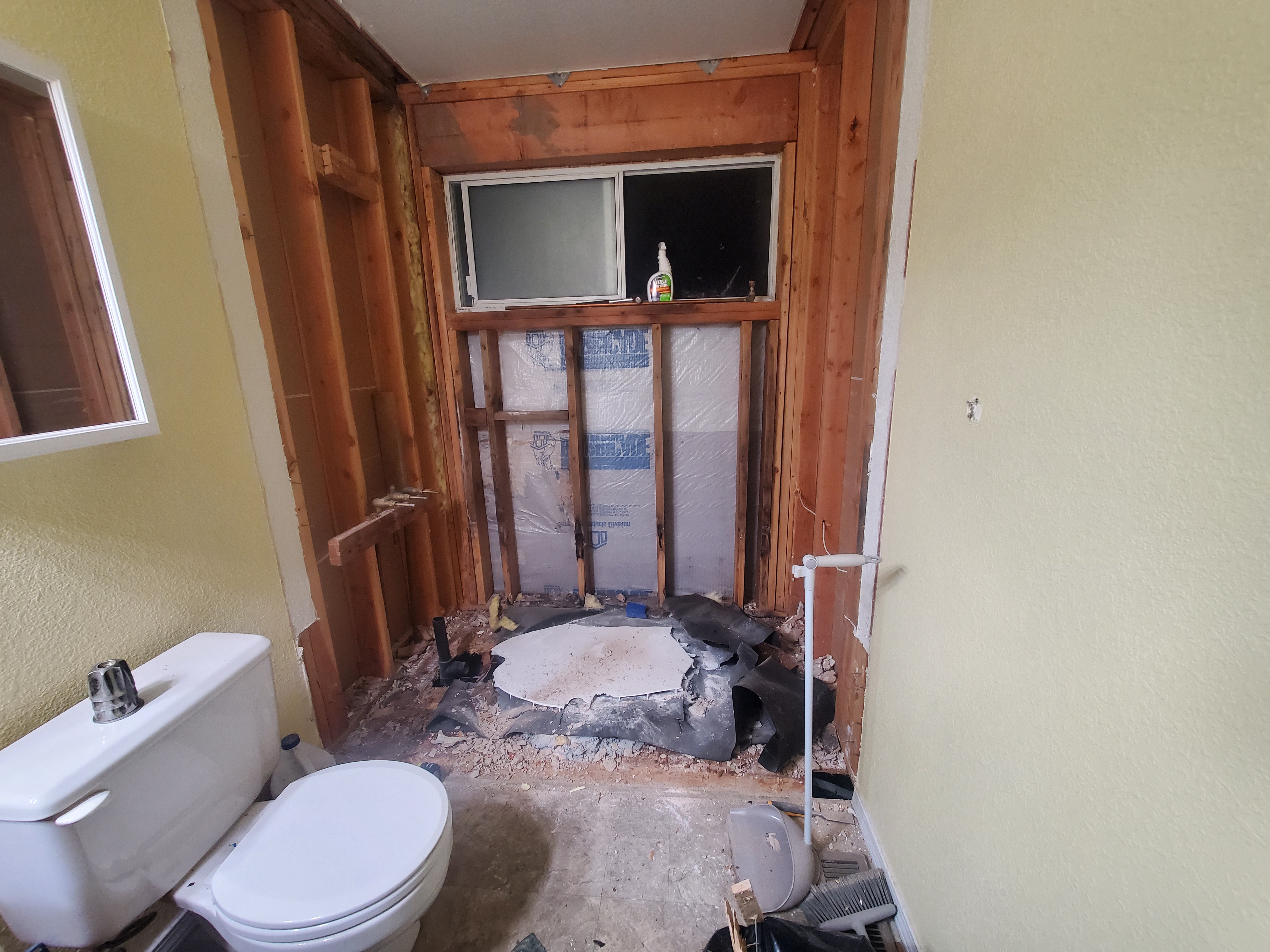
This is how I’ve handled my current home. It was “move-in ready,” but the roof was original, the floors were worn, and one bathroom was unusable. We tackled projects year by year, including a DIY bathroom remodel that took time but saved thousands.
Wait Until You Sell
Some homeowners prefer to live comfortably without worrying about upgrades. If the home functions well, there’s nothing wrong with keeping the 1970s laminate or the 20-year-old oven.
This approach is common for:
- Long-term rentals
- Owners who prioritize savings over aesthetics
- People who simply don’t care about updating unless necessary
When it’s time to sell, however, you may need to invest in updates to compete — especially in a buyer’s market, where buyers have options and sellers must stand out.
In a seller’s market, you have more flexibility. You can often sell “as-is,” but major issues like a failing roof will still impact your price.
Key pre-sale upgrades that offer strong returns:
- Roof
- Flooring
- Interior and exterior paint
These improvements dramatically affect how well a home shows and appraises. If you have the money and time it might be worth upgrading a kitchen or bathroom. You will almost always see a return on a upgraded kitchen. Remember: many renovation costs can be written off on your taxes after you sell.
Only Fix What Breaks
This is the thrifty, minimalist approach. You maintain the home, fix what’s necessary, and skip cosmetic upgrades. It’s perfect for:
- Young families starting out
- Budget-conscious homeowners
- People who don’t care about trends or “keeping up with the Joneses”
You’ll spend less over time, but you’ll also get less back when you sell — which is fine if you bought during a strong seller’s market or simply value low-maintenance living.
Final Thoughts
There’s no “right” renovation timeline — only the one that fits your life, your finances, and your long-term plans. Whether you upgrade everything at once or slowly transform your home over the years, the goal is the same: create a space that works for you.


Leave a Reply